
How do you or your partners exercise the “Return on Interactions” philosophy?
As you may recall, this was the question that I posed to you in my last blog, “A Different Perspective on ROI: Part I.” To keep the discussion moving forward, I posed the same question to our service line leaders, along with a few additional questions to better understand how our teams at HCTec embody the Return on Interactions philosophy.
It is important to not just practice what you preach but insist that we work together and hold one another accountable for the betterment and success of our clients.
Meet our service line leaders:
 Steven Norris, Vice President of Technical Services
Steven brings over 20 years of technical and executive experience in the IT industry to HCTec.
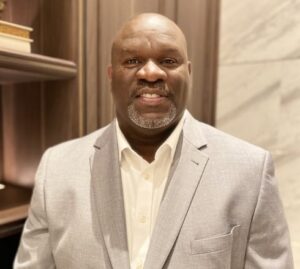 Bernard Rush, Vice President of Application Support
Bernard brings more than 20 years of experience working with EHRs, spending the past 15 years working with Epic.
 Dan O’Connor, Vice President of Client Experience
Dan brings over 20 years of experience in healthcare technology to HCTec.
Here’s what our leaders had to say:
Q: How does the “Return on Interactions” philosophy apply to your service line?
A: By being in tune with our client’s ongoing staffing needs and technology roadmap, we can exceed expectations in terms of catering service delivery around those challenges. Beyond quality outputs, a meaningful, long-term relationship as a high performing and conscientious partner, moves ROI beyond a transaction, and to a true partnership.
In addition, our consultants play an integral role in the success of HCTec and the organizations we serve. When maintaining relationships with our consultants, it is critical to ensure that each interaction is an opportunity to openly communicate and connect about goals, needs, and how we can best support them. Extra effort always produces a more valuable result than the alternative. – Seann Mulligan,
A: The Return on Interactions philosophy is based on the premise that every interaction with a client is an opportunity to create value, trust, and loyalty. Our goal in the TMS service line is to offer excellent, customized, and caring support to our clients, their staff, and patients and to interact with their owners in a respectful and understanding way. We also aim to educate our clients on the best practices in technology and to offer them solutions that meet their needs and expectations. By doing so, we hope to build long-term relationships with our clients and to increase their satisfaction and retention. – Steven Norris
A: This philosophy is integral to leading a high performing managed services organization. We are highly focused on meeting service level agreements and customer satisfaction metrics as a way to build and sustain trusting relationships. Our team of analysts acts as an extension of our clients’ teams and are in constant communication to define work, complete assigned tasks, and resolve issues. – Bernard Rush
A: In our service line, achieving a high return on interactions is paramount. With approximately 2,500 interactions daily, each call we engage in is an opportunity to demonstrate a return on interaction and deliver outcomes that contribute to not only the success of our service line, but contribute to cultivating a loyal client base. -Dan O’Connor
Q: How do you communicate the importance of “return on interactions” with your team, and motivate them to deliver interactions that enhance the client and patient experience?
A: Living the Return on Investment philosophy with your team directly as a leader sets the tone and demonstrates the need to invest in quality interactions with teammates, clients, stakeholders, and other leaders. Exemplifying the Return on Interactions philosophy translates to ROI gains with our customers, and increased value in our services. -Seann Mulligan
A: I share positive feedback from our clients and highlight how our interactions made a difference in their experience. I provide coaching and guidance to my team members on how to handle challenging or complex situations with empathy and professionalism. I encourage my team to ask open-ended questions, listen actively, and show genuine interest in our clients’ needs and goals.
Beyond that, I set clear and realistic expectations and goals for each interaction and monitor the progress and outcomes. I provide regular and constructive feedback to my team and celebrate their successes and areas of improvement. I empower my team to make decisions and take actions that benefit our clients and support them when they face challenges or difficulties. This fosters a positive and supportive work environment, where my team feels valued, respected, and appreciated. – Steven Norris
A: We start by communicating our purpose which is to improve the health of the communities that our clients serve by optimizing and making their IT functions better. We hire professionals who are committed to demonstrating integrity, who value excellence, and who strive to understand the unique needs of our clients. We empower our team to apply their interpersonal skills to interact meaningfully so that their client contacts value the relationships that they have.
This approach makes it easy to motivate our team of experts to deliver results which focus on the provider and patient experience. – Bernard Rush
A: We consistently emphasize the significance of positive outcomes to our team, stressing the importance of leaving individuals with a sense that we’ve exceeded their expectations. By highlighting the impact of our interactions on client satisfaction and patient experiences, we motivate our team to deliver exceptional service consistently. – Dan O’Connor
Q: How do you create a collaborative environment for open dialogue and exchange with our clients?
A: In order to drive positive return on interactions with our clients, it is essential to ask for honest feedback. We want to know how we can help to solve specific problems, provide better service outcomes, and build the interactions beyond just a supplier relationship, to a partnership. -Seann Mulligan
A: We foster a collaborative environment by understanding the goals of the workgroup, assigning the right resources to achieve them, and always acting with positive intent. We establish a clear structure that assigns decision makers, task resources, and escalation leaders who assist in resolving unforeseen challenges. We keep open communication channels and are always willing to cooperate with our clients to ensure that we deliver high quality results. -Bernard Rush
A: I establish regular and consistent touchpoints with them such as phone calls, video conferences, and in person meetings. I listen actively and empathetically to their needs, concerns, and feedback, and ask open-ended questions to clarify and explore their perspectives. I communicate clearly and transparently about our goals, expectations, progress, and challenges, and invite their input and suggestions on how to improve our processes and outcomes. I leverage the diverse skills and expertise of my team members, and involve them in client interactions whenever appropriate, to showcase our collective strengths and capabilities. I acknowledge and celebrate our achievements and successes with our clients, and express gratitude and appreciation for their trust and partnership. – Steven Norris
A: Our approach involves fostering open and honest conversations with our clients, where we transparently communicate our efforts to cultivate a supportive environment for our staff. We underscore that our support directly influences provider experience and patient care quality, emphasizing the shared commitment between HCTec and its clients. – Dan O’Connor
Q: How do you and your team prioritize relationships?
A: My team and I prioritize relationships by building trust and rapport with our clients and treating them as partners rather than customers. We respect their culture and values and adapt to their style and expectations. We listen attentively and compassionately to our clients, understanding their needs, objectives, and difficulties. We give honest and helpful feedback and offer customized solutions that solve their specific problems and opportunities. We also share relevant insights and best practices from our industry and network that can add value to their business. – Steven Norris
A: Healthcare IT staffing is very driven by the relationships our internal teams have with our clients and consultants. Health organizations generally look at current partners first when they have a staffing need, but only if we’ve delivered for them in the past. Our team understands that when our partners have a need, the role must be filled quickly to keep their projects moving forward. With a high degree of responsiveness and long-standing relationships with quality consultants, we build trust within our client relationships. – Seann Mulligan
A: Managed services compliments and supplements our clients’ IT organizations, and it is imperative that we understand the voice of the customer. All relationships are important to us, and it is through an established collaborative environment that we work together to prioritize activities that drive success. – Bernard Rush
A: I host weekly team meetings which serve as a platform for open dialogue on team dynamics, goals, and areas of improvement. We also dedicate time for individual discussions, focusing on personal and business matters to ensure alignment and support. Celebrating wins from the previous week reinforces positivity and motivation within the team. I emphasize that the Return on Interactions philosophy doesn’t only apply to our relationships with clients, but also lives within our internal teams. When we prioritize quality interactions on our HCTec teams, we see the same positive return with our clients. – Dan O’Connor
To learn more about how HCTec helps empower and drive our partners toward digital transformation, view our story and contact us today.